
Water Security & Supply: The Lifeline of Sustainable Development
Securing the Complete Water Cycle: From Pure Supply to Advanced Treatment
Water Cycle:
From Pure Supply to Advanced Treatment
Water scarcity is rarely just about a lack of supply; it is fundamentally a crisis of management, infrastructure, and treatment.
In developing regions—particularly across parts of Africa—untreated wastewater and flawed distribution systems frequently contaminate the limited clean water reserves available, compounding public health emergencies. At SouthMed Global (SMG), we architect comprehensive water security frameworks that manage the entire loop: securing pristine drinking water sources, implementing rigorous industrial and municipal water treatment facilities, and deploying closed-loop sanitation systems that protect fragile ecosystems and preserve every precious drop.
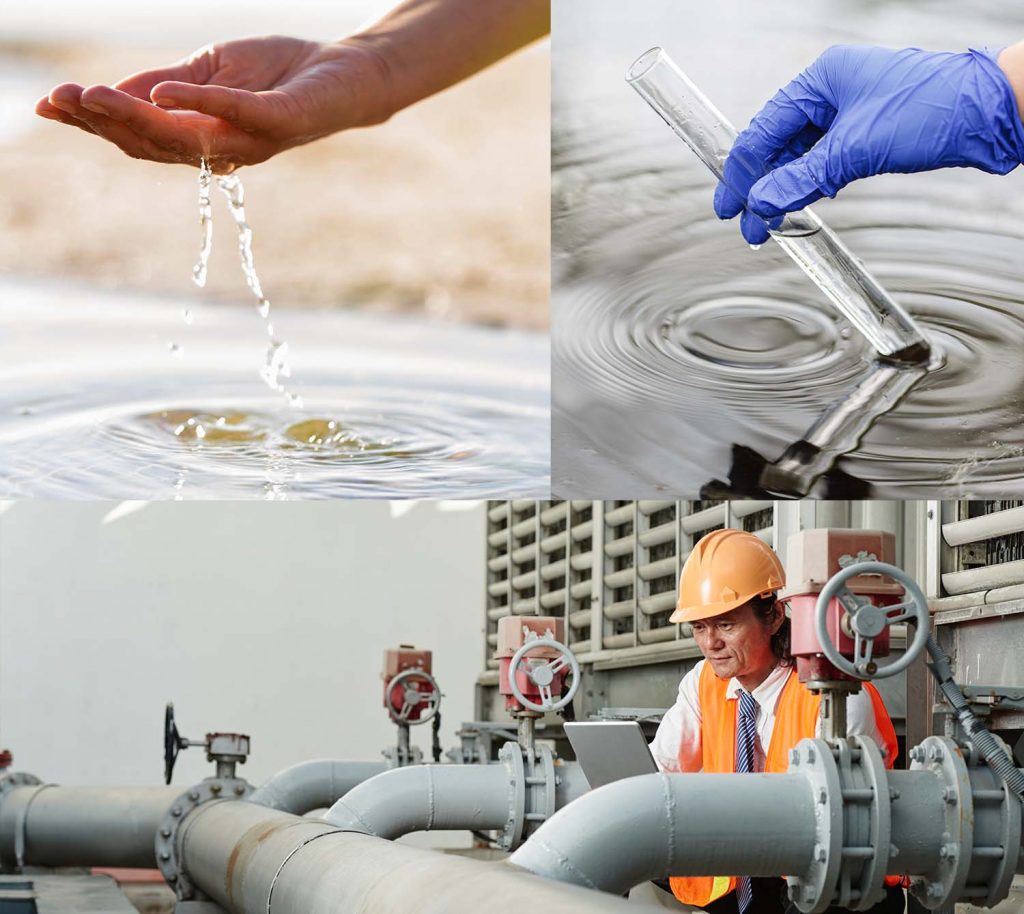
Key Pillars of Water Security & Supply
01
Comprehensive Lifecycle:
Architecting complete end-to-end water circuits that seamlessly manage the entire loop—from pristine drinking water supply and distribution to advanced municipal and industrial treatment.
02
The Treatment Imperative:
Mitigating severe environmental and public health risks in developing and vulnerable regions (such as Africa) by introducing modern wastewater treatment facilities that prevent the contamination and destruction of scarce clean water reserves.
03
Global Alignment:
Partnering with major international developmental bodies—such as UNIDO—to ensure that all water security initiatives adhere to global standards for sustainable industrial development, environmental compliance, and long-term economic stability.
The Treatment Imperative:
Environmental Sanitation & Public Health
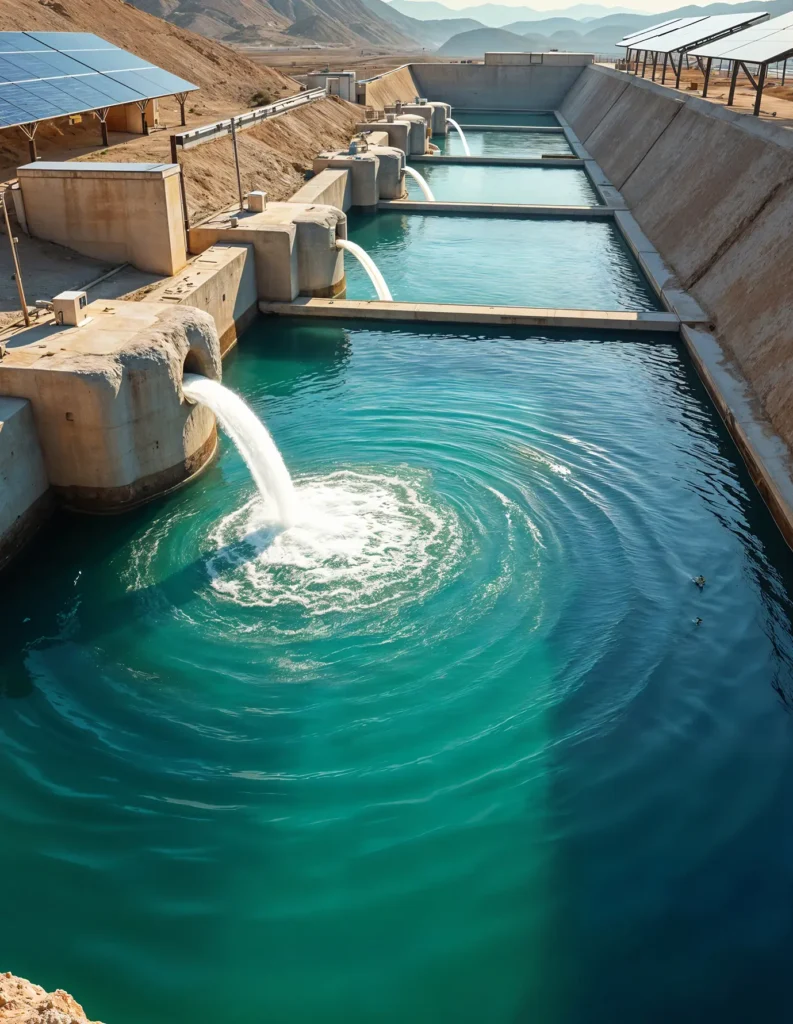
One of the most critical threats in developing economies is the absence of adequate wastewater treatment, which routinely pollutes natural aquifers and ruins existing water supplies.
Global Institutional Alignment: UNIDO
To ensure long-term viability and global compliance, SMG aligns its water infrastructure initiatives with major international developmental frameworks. Through strategic advisory and collaborative channels with international bodies—including entities like the United Nations Industrial Development Organization (UNIDO)—we ensure that local water security projects meet the highest global standards for sustainable industrial development, resource efficiency, and cross-border cooperation, unlocking international funding and long-term economic stability for emerging regions.